


How to Choose Dog Training Tools in Australia Without Harming Wildlife
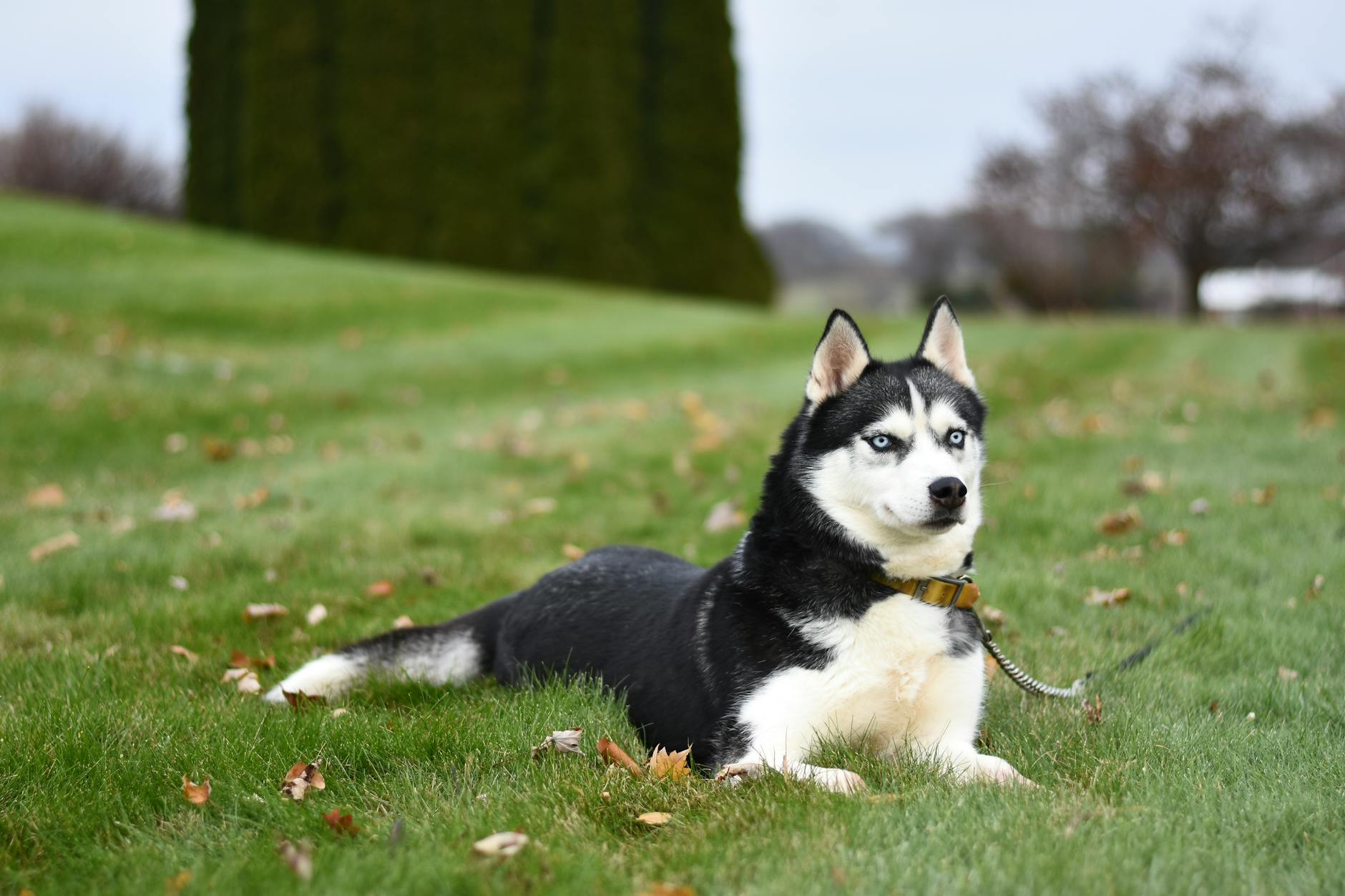
Ethical Dog Training Tools
Exploring ethical dog training tools can be a bit like uncovering beauty gems in Brisbane's vibrant Fortitude Valley salons. It's about finding options that suit your furry friend's needs while being considerate of local wildlife. For someone like Jackson, a wildlife conservation biologist, prioritising wildlife-friendly solutions is key. This means looking into tools that align with the eco-conscious ethics we encounter at Brisbane's Queen Street Mall. One popular choice among responsible pet owners is the hidden dog fence system. This tool helps manage pets’ boundaries without harming wildlife—much like choosing a makeup product that's both effective and kind to your skin.
Another potential tool is anti bark collars, which can effectively manage barking without disrupting the serene environment that our local wildlife treasures. However, it's crucial to evaluate these products with a discerning eye to ensure they truly live up to their claims. Consider the ingredients of your beauty products carefully; we need the same sceptical approach when examining training tools.
The Jan Powers Farmers Markets might offer organic beauty selections that pave the way for eco-friendly beauty choices. Similarly, scrutinising the impact of pet tech on the environment ensures that these tools harmonise with urban wildlife, preserving the delicate balance we strive to maintain.
Understanding Wildlife Impact
Recognizing Behavioral Disturbances
Living in Brisbane, with its vibrant wildlife around areas like Fortitude Valley, means being mindful of how urban pet management affects local animals. Many pet owners wonder if tools like anti bark collar can disrupt the natural behaviors of wildlife. This concern is particularly acute for individuals like those of us who frequent Jan Powers Farmers Markets, where eco-consciousness is key.
Understanding how devices impact animal behavior, both domestic and wild, is crucial. Sometimes, these training tools can emit sounds that might alarm local species, leading to unnecessary stress. Moreover, noise disturbances may alter feeding or nesting patterns.
Assessing Habitat Interference
Assessment of interference goes beyond immediate surroundings. Consider the larger habitat: a suburban backyard in Brisbane might seem isolated, yet it's connected to broader ecosystems. Training collars for dogs have the potential to intersect delicate ecological balances. For instance, collars with sensors could transmit frequencies that affect the communication of local bird species or marsupials. It's important to evaluate the full scope of how these products integrate into ecological networks.
Monitoring Species Vulnerability
You might see an increase in sensitivity when scrutinizing species vulnerability within these ecosystems. Understanding the ecological ramifications of pet technology, like a training collars dogs, requires a focus on vulnerable species. Some animals may be more susceptible to changes in their environments than others, making it critical to choose technologies that minimize their impact. Bringing this perspective into pet management supports Brisbane's urban wildlife, ensuring harmony between our lifestyles and the natural environment.
Choosing Safe Training Methods
Positive Reinforcement Benefits
When it comes to selecting effective dog training methods, positive reinforcement is a standout choice. I always encourage dog owners to embrace this approach because it's not only humane but also incredibly effective. Picture this: rewarding your furry friend with treats or praise when they show good behaviour. This method not only strengthens your bond but also ensures a happier, more well-adjusted pet. It's something akin to finding a new beauty hack at a Fortitude Valley salon—simple yet transformative.
Alternatives to Electronic Devices
With the rise of technology, it's easy to gravitate towards electronic devices; however, there are more natural options to consider. For those living in bustling areas like Brisbane, steering clear of electronic gadgets like bark collars is a sustainable choice that aligns with eco-friendly values. Opt for harnesses or clickers that serve as non-invasive training aids without harming sensitive wildlife ecosystems. It's similar to choosing organic beauty products from Brisbane's Queen Street Mall over chemical-laden alternatives—better for you and the environment.
Utilizing Professional Guidance
When seeking the best training outcomes, consider engaging with a professional trainer. Just as shoppers trust experts at the Jan Powers Farmers Markets for organic beauty tips, tapping into the expertise of a seasoned trainer can elevate your dog's learning experience. They can assist with personalised strategies that avoid potential pitfalls like over-reliance on tech gadgets like gps dog tracking, ensuring a holistic approach to pet training. Taking these steps leads to effective, environmentally respectful outcomes for both your pet and the surrounding wildlife.
Navigating Australian Regulations
Complying with Legal Standards
As a Brisbane local familiar with both the beauty delights of Fortitude Valley and the nuances of local regulations, it’s crucial to appreciate the Australian laws surrounding dog training tools. In our region, adhering to these standards is essential not only for compliance but also for ensuring ethical pet management that aligns with wildlife conservation goals. When considering tools like an anti barking collar, it's vital to ensure they meet both safety and ethical standards. These devices must not only be effective for your pet's training but also minimally disruptive to local ecosystems.
Exploring Local Conservation Guidelines
Living in Brisbane, where natural habitats intermingle with urban life, requires being savvy about how our actions leave a mark on our surroundings. Brisbane's Queen Street Mall may offer a great cosmetic range, but understanding the local Australian conservation guidelines isn't something you pick up on a beauty haul. For instance, employing items like a snuggle puppy should be done with an awareness of its potential impact on native wildlife, carefully considering how to balance the comfort of our pets with the preservation of the natural habitat.
Understanding Training Tool Restrictions
Navigating the maze of restrictions on training tools can seem as intricate as choosing the right shade for your complexion at the Jan Powers Farmers Markets' organic beauty stalls. In Brisbane, not only should you be aware of what tools are permitted, but you should also prioritize those that are eco-friendly and safe for local wildlife. As we navigate pet management technologies, always consider the broader picture, ensuring that our tools harmonize with the ecological balance we cherish.
Best Practices for Wildlife-Friendly Interactions
Crafting a Harmonious Home Environment
In the hustle of Fortitude Valley, finding a balance between urban life and nature can feel like a bit of a juggling act. Yet, creating a wildlife-friendly space starts with simple steps at home. Consider swapping out harsh lawn chemicals for eco-friendly alternatives, much like choosing organic beauty products from the Jan Powers Farmers Markets. Incorporate native plants that attract local birds and insects, mimicking the inclusive atmosphere of your Brisbane backyard salon. By doing this, you foster an inviting oasis for wildlife, right in your own backyard.
Community and Conservation Engagement
Just as we gather at Brisbane's Queen Street Mall to share the latest cosmetic trends, spreading awareness about conservation can be a community affair. Participate in local wildlife conservation programs or join a neighbourhood group committed to protecting Brisbane’s unique biodiversity. Through engagement, we not only nurture our environment but also get to mix and mingle with like-minded folks passionate about protecting our shared home.
Exchanging Knowledge and Triumphs
Sharing your personal experiences and little victories in wildlife conservation can be as inspiring as trading beauty hacks with a mate. Whether it’s recounting the success of a native garden or the simple joys of birdwatching, your stories encourage others to take action. By creating this eco-friendly ripple effect, we empower our community, ensuring that our natural surroundings continue to thrive. With each shared success, we reinforce the belief that our choices and actions make a meaningful difference.